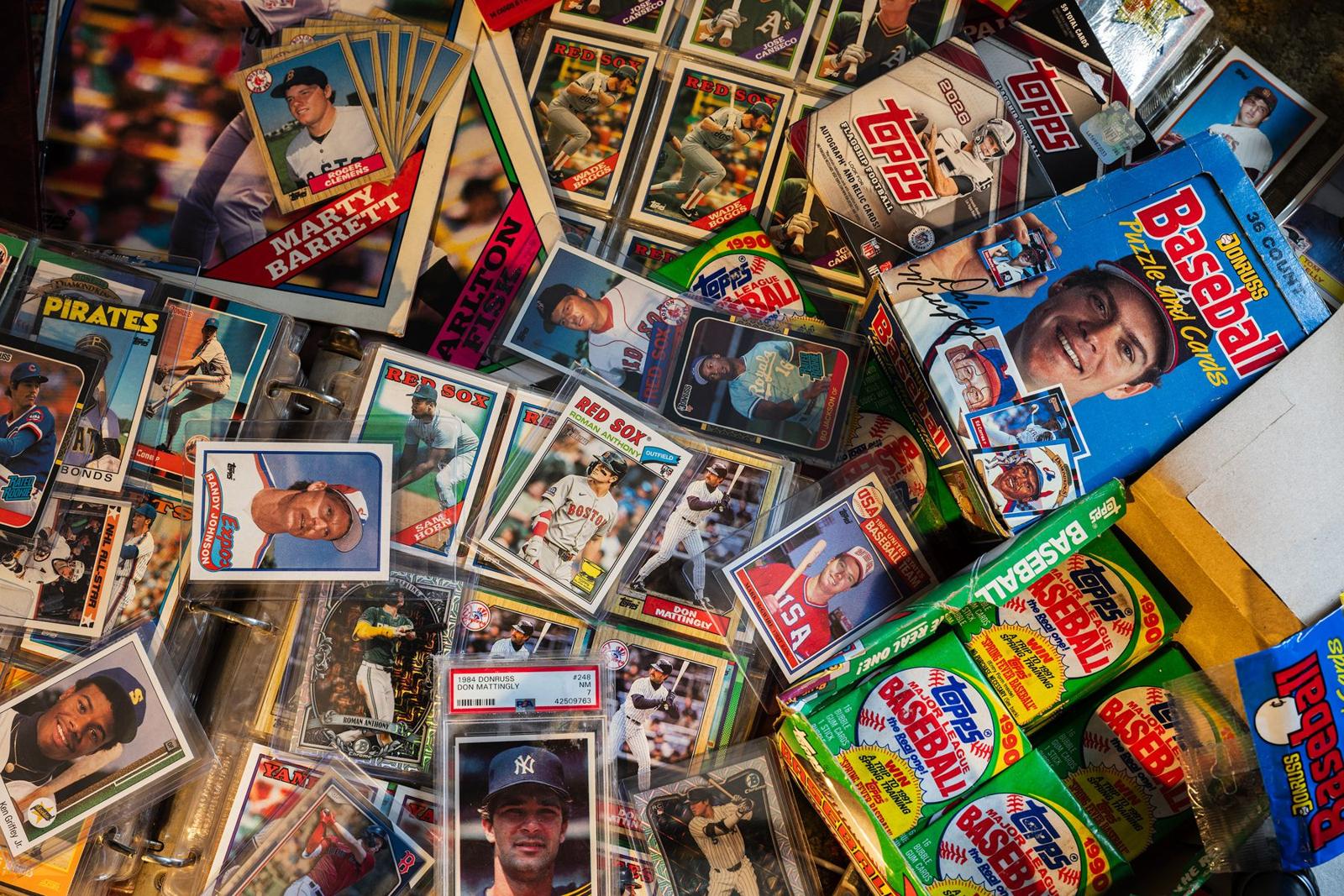
Every card.
Priced.
Kept.
Photograph it at the table. It comes back named, valued off live comps, and sleeved in your binder before the dealer’s made change.
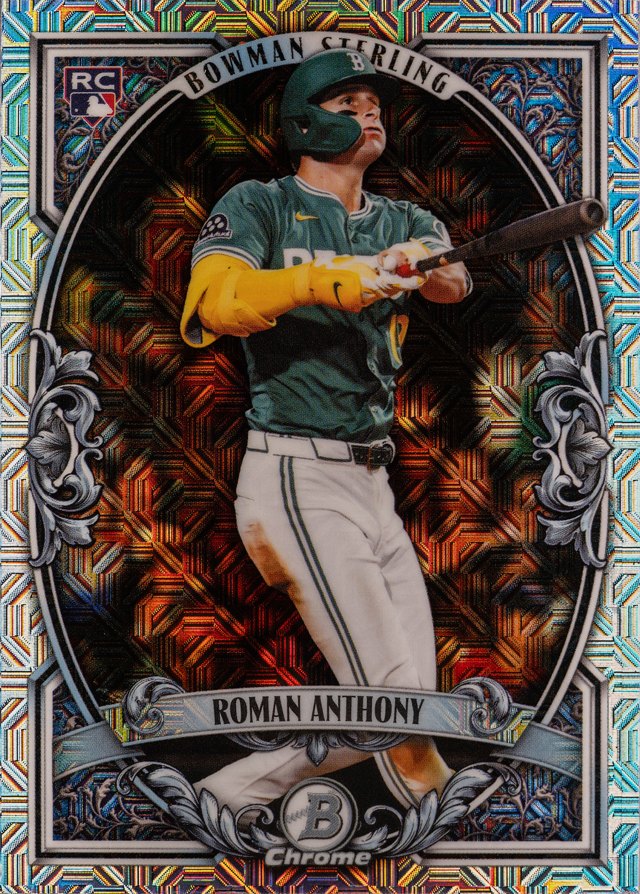
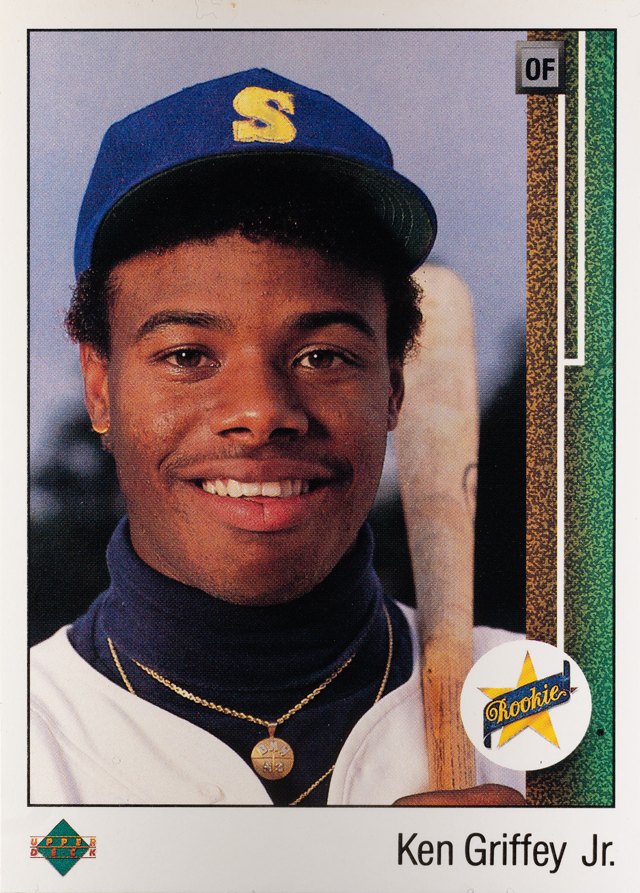
Ken Griffey Jr., rookie
- Read by AI
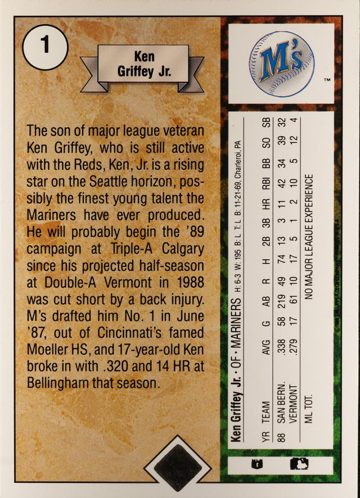 Player, year, set, number, parallel, autograph, grade — from both sides of the card. The back is where the number lives.
- Checklist
- Linked to 1989 Upper Deck, card 1 of 800
- Appraisal
- $150 – $400 · raw, from recent sold comps · and the why behind it
Rip the pack. Photograph the card. Done.
How it works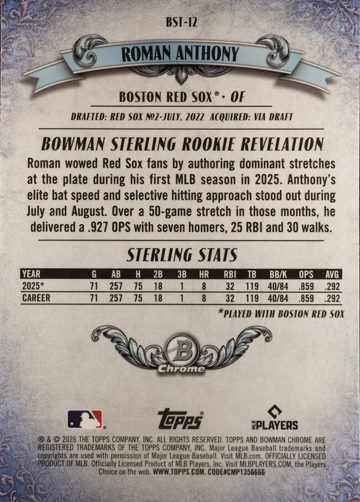
Photograph both sides
Front and back, one-handed at the table. Built for ripping a whole box in a sitting — the bench clears as soon as you press, and identification catches up behind you.
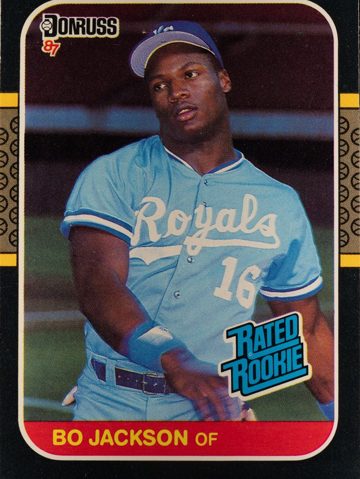
The AI reads the card
Player, year, set, parallel, number, autograph, grade — checked against both sides and against the real checklist, so a base card is a base card and a Gold /50 is a Gold /50.
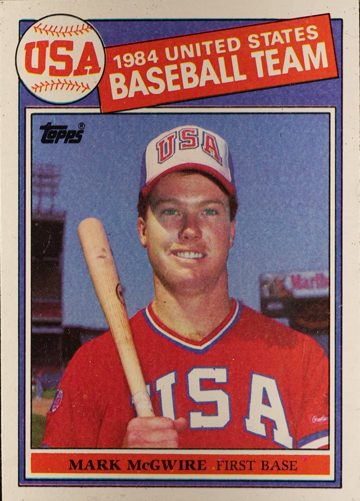
Priced and filed
Valued from live sold comps, linked to its set, shelved in your binder — with the why behind every price, one tap away.
Open the box. Tell it the box. Keep ripping.
Start a rip session, say what the box is, and every card you pull files itself to that box as fast as you can photograph it — the bench clears the moment you press, identification catches up behind you. Knowing the box even helps the read: Mega boxes ship different foils than Hobby boxes, and the scanner uses that.
When the wrappers are on the floor you have what nobody at the table ever had before: what the box was worth the night you opened it, what it’s worth now, what you paid, and the pace you ripped it at.
C&S Hobbies · Mega Box
2026 Topps Series 2Flip through it like the one you grew up with.
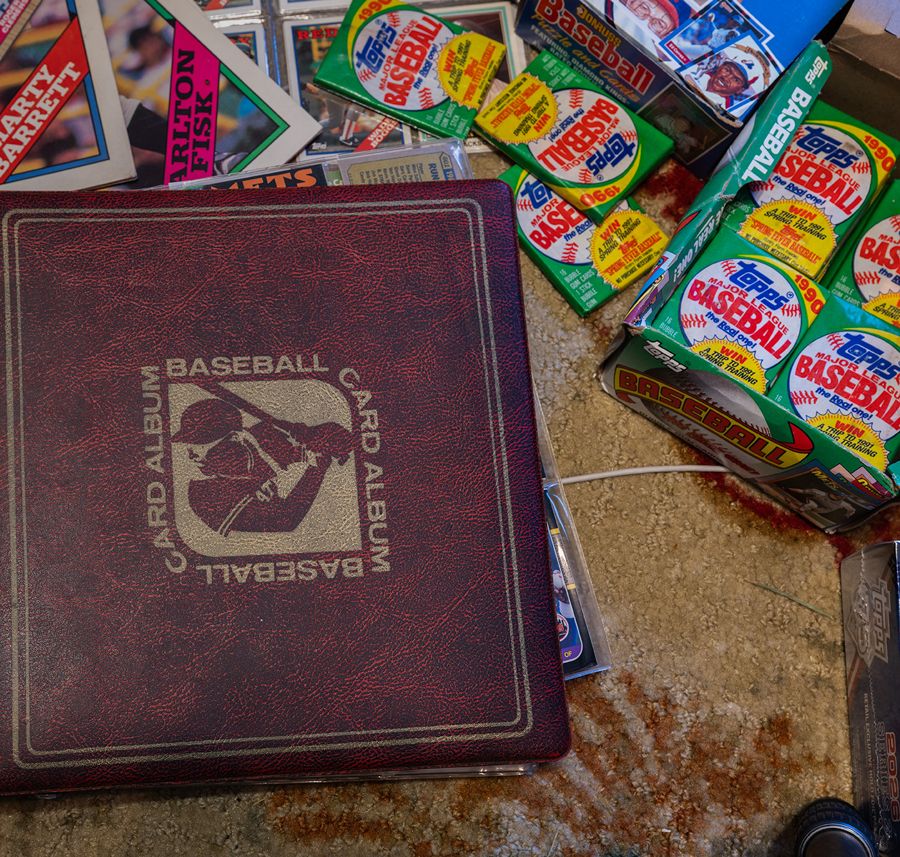
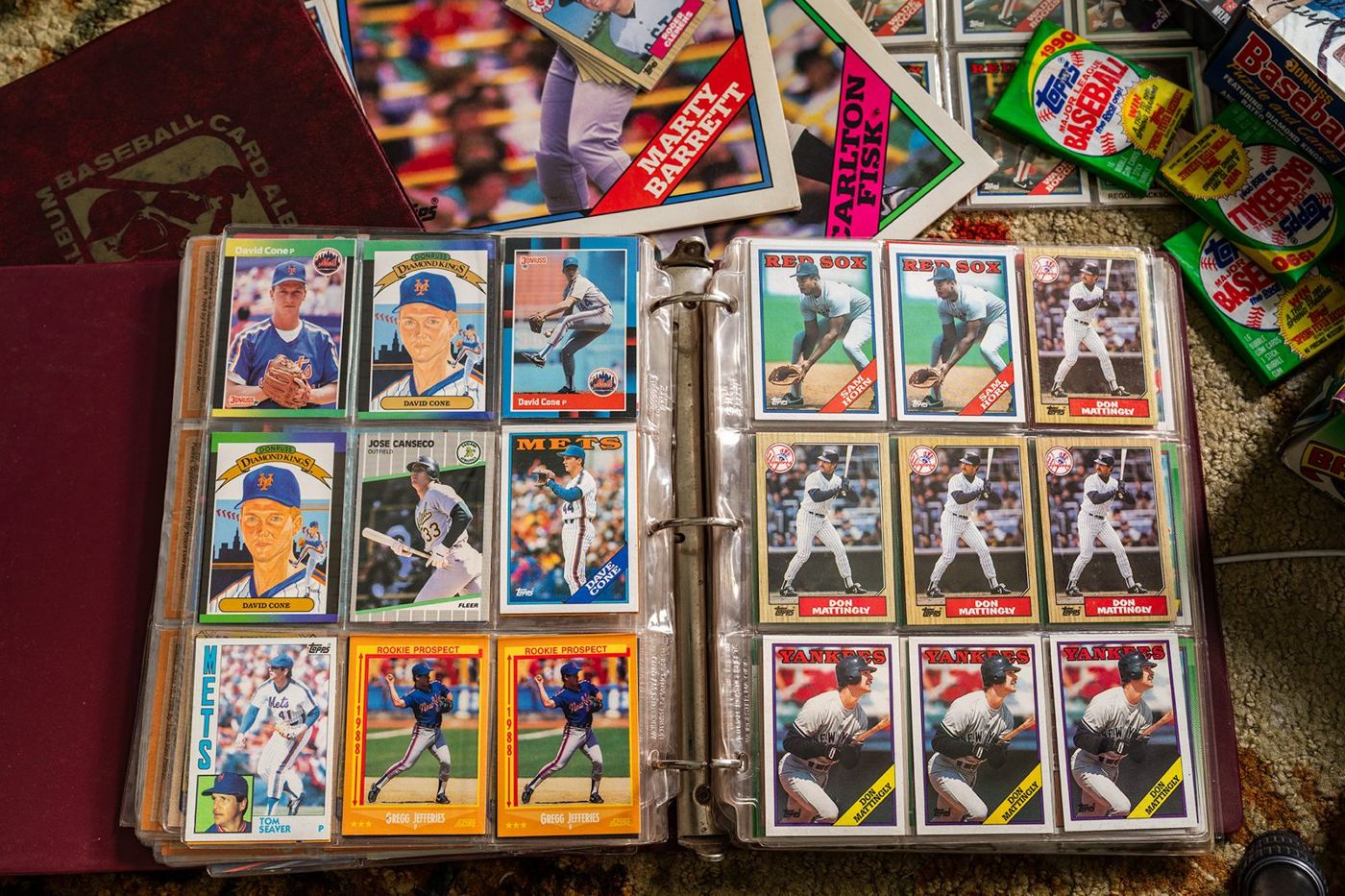
This is the one. Nine pockets a page, the wax packs it was filled from, and the cards still in it. The app keeps yours the same way — page by page, nine to a sheet, the price on a dealer’s sticker — except you can search it.

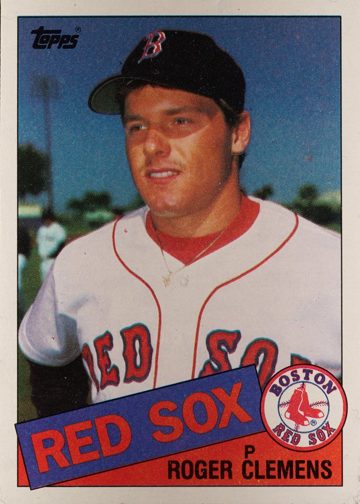
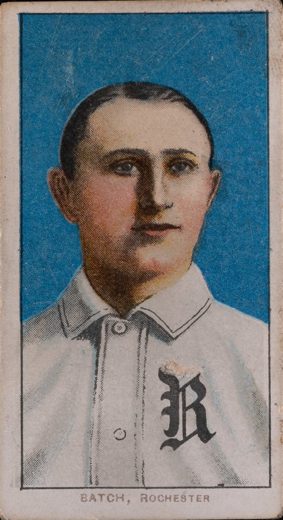
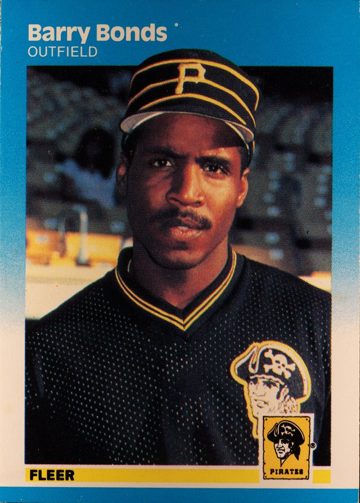
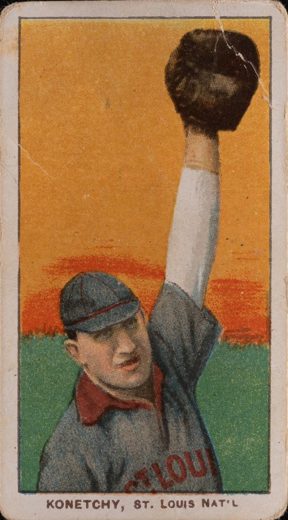
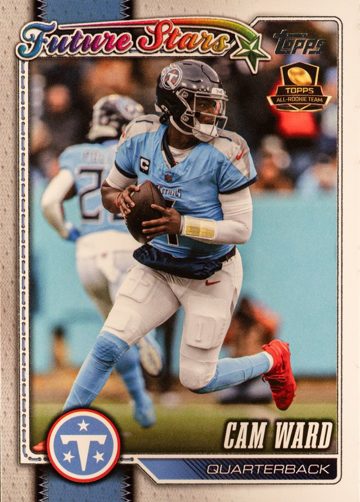
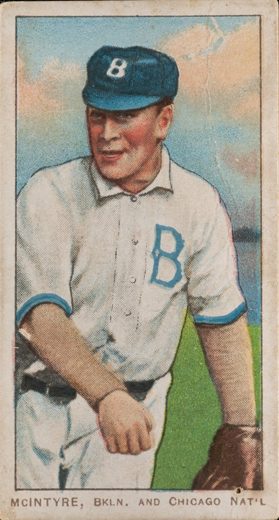
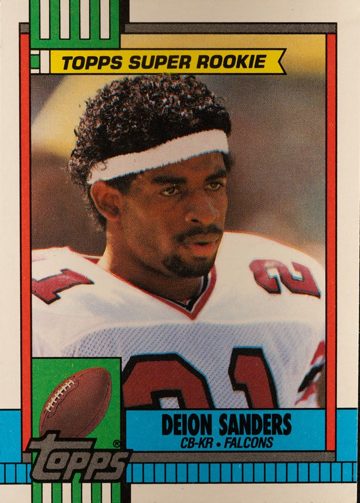
1909 to this year, on one sheet.
A T206 tobacco card and a rookie from this season file the same way: the scan in the sleeve, the estimate on the sticker, and a dot on anything that still needs a look. The empty pocket is for the next one.
A collection is more fun with witnesses.
Bring your peopleFriends
Add a collector by handle. Then decide, card by card, what they get to see — the vault stays yours, and every card starts private.
Trades
Mark a card available for trade and friends can ask for it. Offer yours for theirs; the app records the deal and moves nothing — the two of you make the swap, at the table, like always.
Card shows
A public board of conventions, expos and weekend meets. RSVP so friends know you’ll be there, see who else is going, then photograph what you bring home. The board is open to everyone →
What you paid, what it’s worth, where it’s stored and your notes stay private at every tier. Sharing shows the card, never the money.
Start free. Pay when you rip boxes.
PricingFree
The whole app — scanning, pricing, checklists, the binder. Enough for a pack habit. No card needed.
Collector — $8/mo
A hobby box a week, priced and filed. Credit packs on top when a break runs long.
Credit packs: 100 for $5, 500 for $20. They never expire. Your vault, sharing, trades and exports are free forever — credits only meter what costs real money to run.